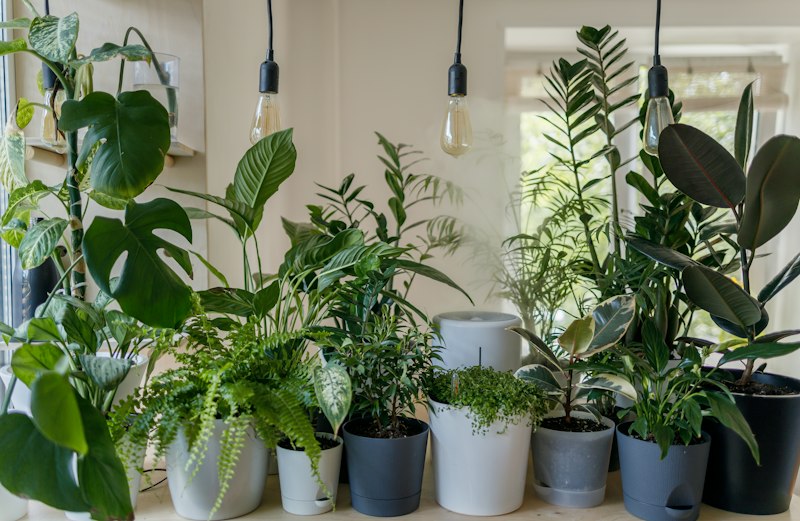
cliff-mongoose was founded on a simple observation: private gardens across the United Kingdom were being maintained by teams who lacked specialised training in estate horticulture. We set out to bridge that gap.
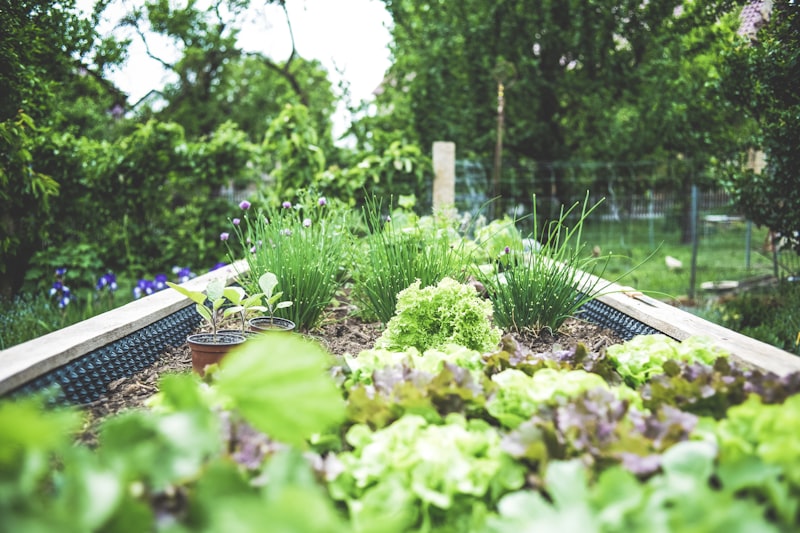
Our process begins with listening. Each property tells a story through its soil composition, native flora, and architectural features. We spend time understanding not just what exists, but what potential lies dormant.
Site visit, soil testing, botanical inventory, and client consultation to establish goals and preferences.
Custom management plan outlining seasonal activities, planting recommendations, and maintenance schedules.
Scheduled visits by qualified horticulturists, with adjustments made based on weather patterns and plant response.
Regular reviews, photographic documentation, and seasonal planning sessions to evolve the estate's character.
We believe exceptional gardens emerge from the intersection of knowledge, patience, and site-specific understanding. Rather than imposing predetermined designs, we work with the existing character of each estate.
Our team includes professionals with backgrounds in botanical science, landscape architecture, and traditional estate management. This combination allows us to address challenges from multiple perspectives, whether diagnosing pest issues, restoring historical plantings, or implementing contemporary water management systems.
We maintain active memberships with horticultural organisations and regularly participate in knowledge exchanges with specialists across Europe. This commitment ensures our methods remain informed by current research while respecting time-tested practices.
Private gardens serve functions beyond aesthetics. They provide habitat corridors for native species, contribute to local air quality, and offer spaces for contemplation in an increasingly urban landscape. Our work acknowledges these multiple roles.
When we design a planting scheme or prune a heritage tree, we consider not just immediate visual impact, but long-term ecological contribution and seasonal progression. Gardens should reward attention across all twelve months, not just peak summer weeks.